Freelance tutors live between two worlds. They teach and write study guides and they also run a small business. Some of their students speak Spanish at home. Some of their clients want course notes in Spanish before they sign up. Without good language support the tutor loses both. This article shows how independent educators can use Spanish translation services to grow their audience and how to keep the business side tidy at the same time.
Why Spanish Matters for Educators
Spanish is one of the most spoken languages in the world and the second most studied foreign language in many countries. Parents in Spanish speaking households actively look for tutoring in their language. A tutor who offers materials in Spanish reaches families that competitors ignore. That is a clear commercial advantage for anyone selling lessons or study packs online.
What to Translate First
Start with the pages that bring customers. The homepage the service description the pricing page and the booking instructions come first. Next translate welcome emails and policy pages. After that move to study guides and worksheets. Translating in this order gives you a working Spanish version of the business quickly and lets you test demand before investing in the full library.
Why Machine Translation Is Risky for Teaching Material
A wrong verb tense in a grammar worksheet teaches the wrong thing. A mistranslated math instruction confuses a child. Software output often sounds acceptable while hiding small errors that a learner will copy. Teaching content needs a human specialist who understands education. Use machines to draft internal notes if you like but never publish a lesson without professional review.
Regional Differences in Spanish
Spanish varies across countries. Vocabulary spelling and even politeness rules change from Madrid to Mexico City to Buenos Aires. The Royal Spanish Academy publishes the reference dictionary and the official orthography. A translator should know which variety your audience prefers. If you serve students in several regions ask for neutral wording that works across borders and avoid slang.
Learning From Language Authorities
The Instituto Cervantes offers extensive resources about the language and its use around the world. Browsing its materials helps you understand how institutions describe levels and skills. Align your course descriptions with these standards when possible. Using the same labels as respected institutions increases trust and makes your offer easier to compare with other programs.
Tone for Students and Parents
Educational writing for children needs warmth and simplicity. Writing for parents needs clarity and reassurance. Writing for adult learners can be direct and professional. Tell your translator who the reader is. A single course may need three different tones. The best translators adapt the voice while keeping your teaching method and your personality visible on every page.
Working With Examples and Exercises
Exercises often contain culturally specific content such as names foods holidays and currencies. A direct translation can feel strange. Adapt the examples so they feel familiar to the reader. Replace dollars with euros or pesos where it helps. Change names to common ones in the target country. These small edits make the material feel designed for the learner and not merely converted.
Pricing and Planning the Work
Translation is usually charged by the word. A ten page study guide may cost less than a few hours of tutoring. Ask for a quote that includes review. Plan translation for the quiet months so that your new Spanish materials are ready for the busy season. Batch work in groups to save money and to keep terminology consistent across all products.
Handling Student Payments Abroad
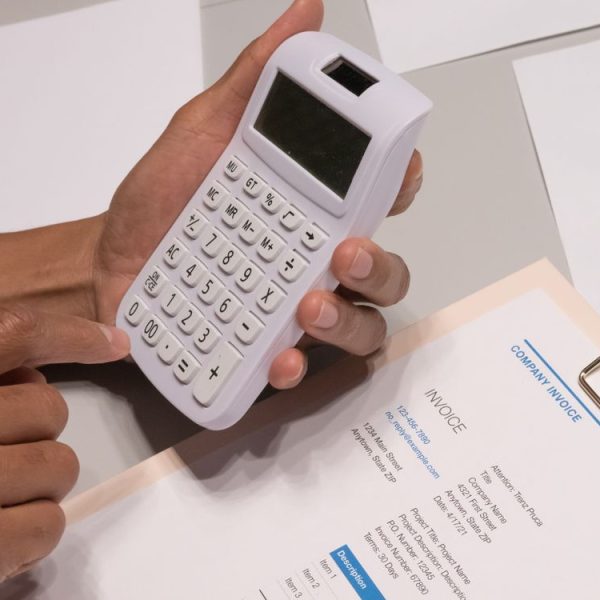
New markets bring new billing questions. International parents want a clear receipt in a familiar format. An ai invoice generator helps you produce clean PDF invoices in minutes with your name and the amount in the right currency. Add the date a unique number and the service description. A professional invoice reassures families and makes your tax records easier to manage at year end.
Keeping Records Simple
Store every invoice in a folder named by month. Record the payment date and the method. Note which invoices cover translated products and which cover lessons. This split helps you see how the Spanish market performs. Review the numbers every quarter. Decide whether to expand the catalog or to focus on the items that sell best.
Marketing Your Spanish Content
Publish a short Spanish welcome video. Share free samples on social platforms popular in Spanish speaking regions. Ask early customers for feedback and quote their comments with permission. Translate your testimonials with care to keep their meaning. A small amount of consistent effort over several months usually builds a modest but loyal audience.
Mistakes to Avoid
Do not use a free tool for the whole site and call it done. Do not forget the legal pages such as privacy and refunds. Do not mix regional spellings within the same document. Do not ignore customer questions in Spanish. Each of these errors weakens trust and each one is easy to avoid with a bit of planning and a reliable review process.
Your Next Steps
Pick the pages that matter most and translate them first. Hire a specialist for teaching content. Decide which Spanish variety you serve. Set up simple invoicing and record keeping. Gather feedback and improve. A tutor who follows this path can turn a small online practice into an international one without losing the personal touch that students value.
Using Feedback From Students
Ask Spanish speaking students which phrases felt unnatural. Collect their comments in a simple note and pass them to the translator. Students love being asked and the answers improve every future update. Over time you build a living glossary tailored to your own teaching style and your own subject area.
Accessibility for Learners
Offer clear fonts readable layouts and short paragraphs. Provide audio versions of key texts if you can. Learners with different needs benefit from the same careful design. Translate captions on videos so that students who prefer to read can follow along without struggling with speed or accents.
Scaling Beyond Spanish
Once the Spanish version works you can repeat the process for other languages. Reuse your glossary and your workflow. Start with the markets that already send you visitors. Check analytics to see where interest is growing. Small and steady expansion is safer than a sudden launch in ten languages that you cannot support with quality.